



 engelsk
 Español

MXB-JFBB självsmörjande lager med hög temperaturbeständighet
Cat:Självsmörjande lager
Det självsmörjande lagret MXB-JFBB är ett ansatslager med grafitinlägg på flänsen designat för att ge självsmörjande egenskaper. Den är tillverkad ...
Se detaljerSolid-smörjande lager är konstruerade för att fungera utan behov av kontinuerlig extern smörjning, vilket gör dem idealiska för krävande fordons- och rymdmiljöer. Genom att bädda in fasta smörjmedel direkt i lagermaterialet minskar dessa komponenter underhållskraven, motstår slitage och fungerar tillförlitligt under extrema temperaturer, tunga belastningar och tuffa miljöförhållanden. Deras unika egenskaper gör dem viktiga i applikationer där traditionella lager kan gå sönder eller kräver frekvent service.
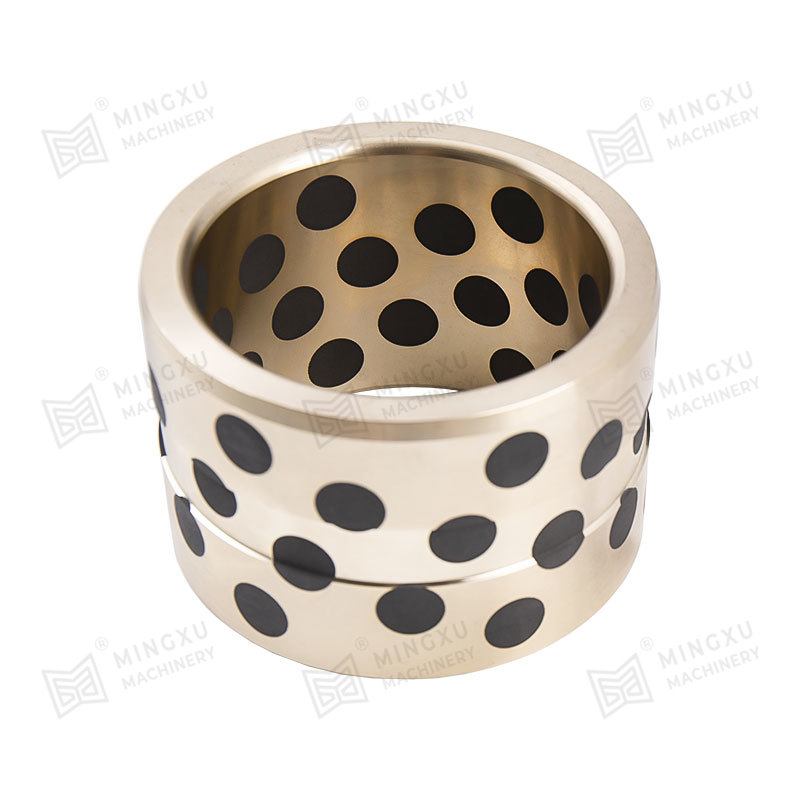
Inom bilindustrin ger solida smörjande lager många prestanda- och underhållsfördelar. Deras förmåga att fungera utan tillsatt fett eller olja minskar risken för kontaminering och förenklar montering och serviceintervall. Dessa lager bidrar också till tystare drift, förbättrad bränsleeffektivitet och längre komponentlivslängd.
Solid-smörjande lager används ofta i motor- och transmissionssystem där höga temperaturer, tunga belastningar och begränsad smörjning är vanliga. Komponenter som vipparmar, kamremssträckare och kamföljare drar nytta av de självsmörjande egenskaperna, vilket säkerställer smidig drift och minimerar slitaget över tid.
I fjädring och styrsystem används solida smörjande lager i styrarmar, bussningar och stabilisatorlänkar. Deras självsmörjande design minskar friktionen, förbättrar responsen och bibehåller prestanda under varierande temperaturer och vägförhållanden. Detta eliminerar också behovet av periodisk smörjning, vilket minskar underhållskostnaderna.
Flygtillämpningar kräver lager som kan fungera under extrema belastningar, temperaturfluktuationer och förhållanden på hög höjd. Solid-smörjande lager uppfyller dessa krav genom att erbjuda hög slitstyrka, låg friktion och förmågan att fungera utan konventionell smörjning, vilket är avgörande för flygsäkerhet och tillförlitlighet.
Solid-smörjande lager används i flygplanets landningsställ, ställdon och kontrollmekanismer. De säkerställer tillförlitlig drift under kritiska faser av flygningen, tål tunga dynamiska belastningar och bibehåller konsekvent prestanda i extrema temperaturer. Deras självsmörjande egenskaper förhindrar även kontaminering och minskar underhållsstopp mellan flygningar.
Flygplanskontrollytor, inklusive skevroder, klaffar och roder, förlitar sig på solida smörjande lager för smidig artikulation. Dessa lager hanterar högfrekventa rörelser, motstår korrosion och fungerar i både minusgrader och förhöjda temperaturer, vilket säkerställer exakt manövrerbarhet och tillförlitlighet under hela flygplanets livslängd.
Olika lagermaterial och konstruktioner används beroende på belastning, hastighet, temperatur och miljöförhållanden. Följande tabell sammanfattar vanliga typer och deras typiska tillämpningar:
| Lagertyp | Material | Nyckelfunktioner | Typiska applikationer |
| Polymerlager | PTFE eller kompositpolymerer | Självsmörjande, låg friktion, korrosionsbeständig | Bussningar, styrarmar, upphängningsleder |
| Metall-polymerlager | Stål eller brons med inbäddat fast smörjmedel | Hög lastkapacitet, hållbar, temperaturbeständig | Landställ, ställdon, motorkomponenter |
| Grafit-inbäddade lager | Brons eller stål med grafitsmörjmedel | Hög temperatur, torr drift, slitstark | Vinggångjärn, styrlänkar, högtemperaturzoner |
Korrekt val, installation och underhåll av solida smörjande lager är avgörande för att maximera deras fördelar i fordons- och flygtillämpningar. Tänk på följande metoder:
Solid-smörjande lager är avgörande i modern bil- och rymdteknik, och ger tillförlitlig prestanda under extrema förhållanden samtidigt som underhållsbehovet minskar. Deras självsmörjande egenskaper, hållbarhet och förmåga att arbeta under tunga belastningar och temperaturfluktuationer gör dem idealiska för motorer, fjädringssystem, landningsställ och kontrollytor. Att integrera dessa lager förbättrar utrustningens livslängd, driftseffektivitet och säkerhet, vilket gör dem till en avgörande komponent i avancerade ingenjörsprojekt.
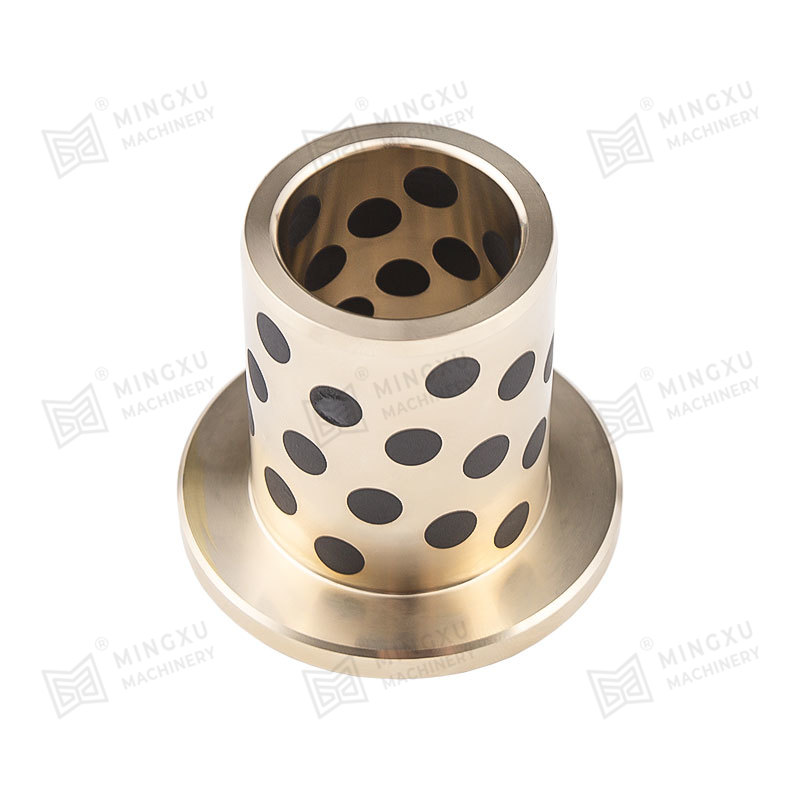
Det självsmörjande lagret MXB-JFBB är ett ansatslager med grafitinlägg på flänsen designat för att ge självsmörjande egenskaper. Den är tillverkad ...
Se detaljer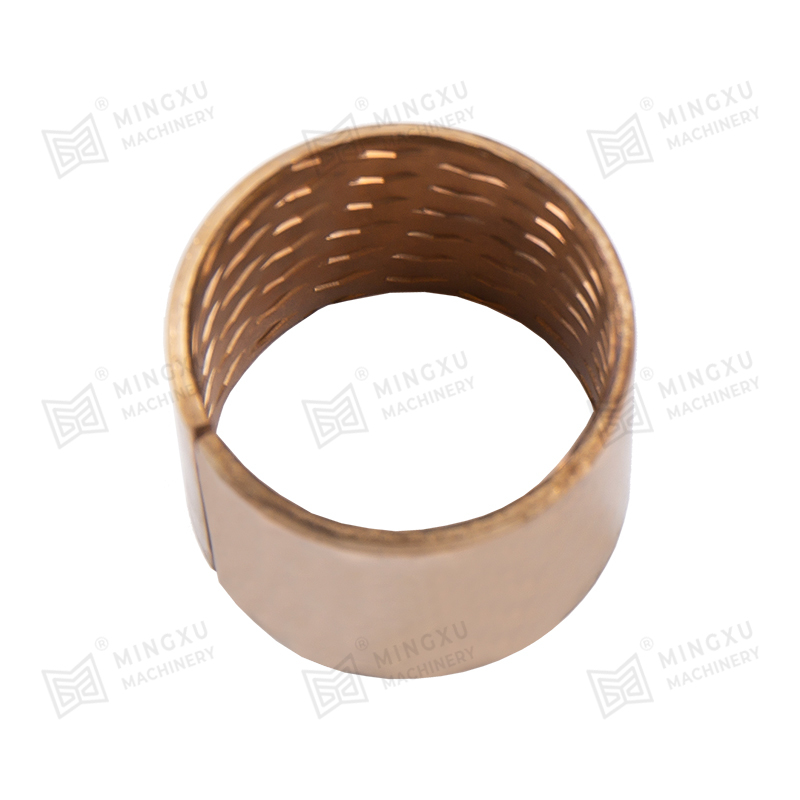
MXB-FB090 Bronze Coiled Bearing är ett ekonomiskt lager med hög belastningskapacitet och bra slitstyrka valsat från CuSn8 brons. Arbetsytan på FB09...
Se detaljer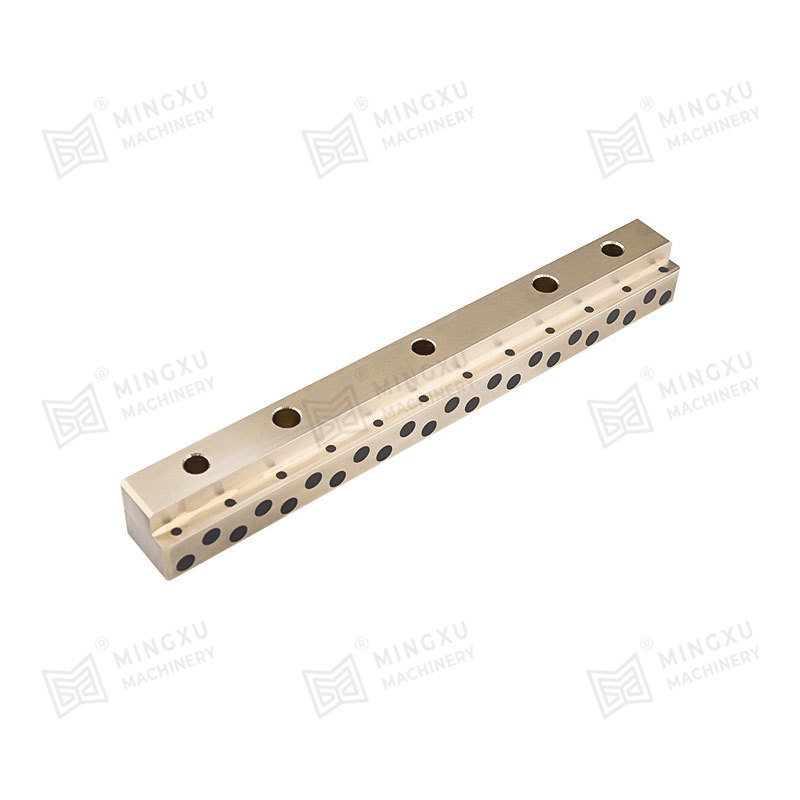
MXB-JSOL självsmörjande styrskena är en självsmörjande styrskena av L-formad styrspårtyp, som är gjord av en kombination av höghållfast mässing och...
Se detaljer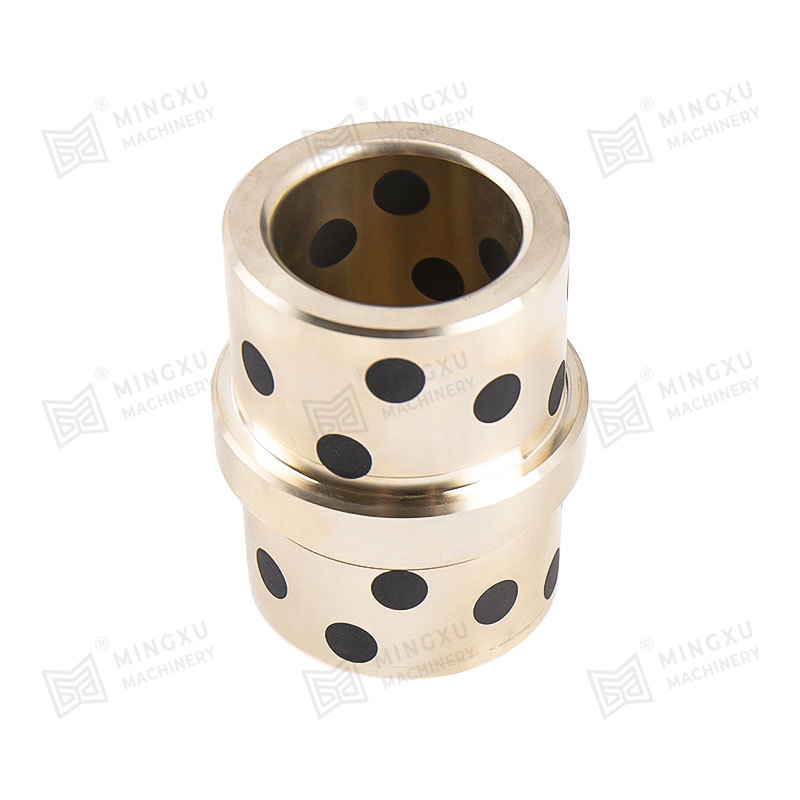
Normalt stöds tryckplattan av fyra återställningsstänger. Men på grund av den låga installationsnoggrannheten hos återställningsstavarna, när tryck...
Se detaljer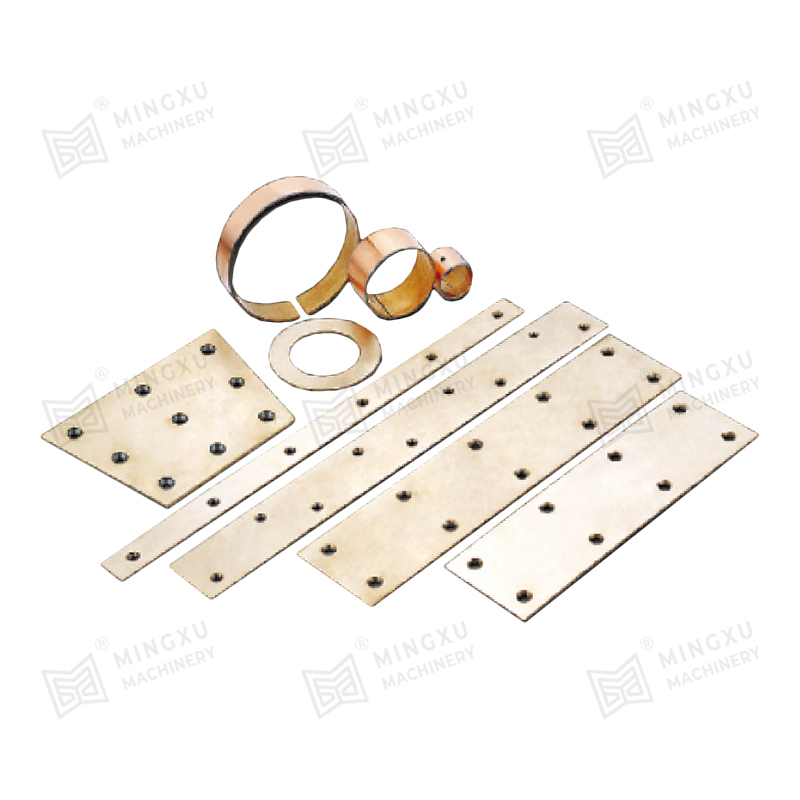
MX2000-1 graphite embedded alloy bearing, MX2000-1 graphite scattered alloy bearing is an improved product of JF800 bimetallic bearing. It has the pre...
Se detaljer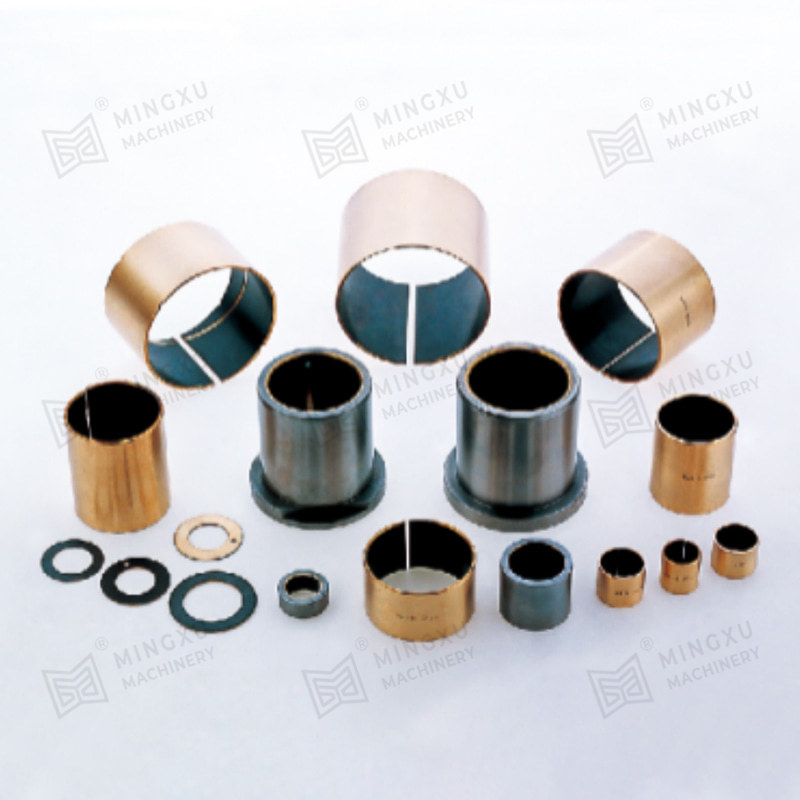
SF-1B bronze basic bearing is made of tin bronze as the base, sintered bronze spherical powder in the middle, and rolled PTFE and high temperature res...
Se detaljer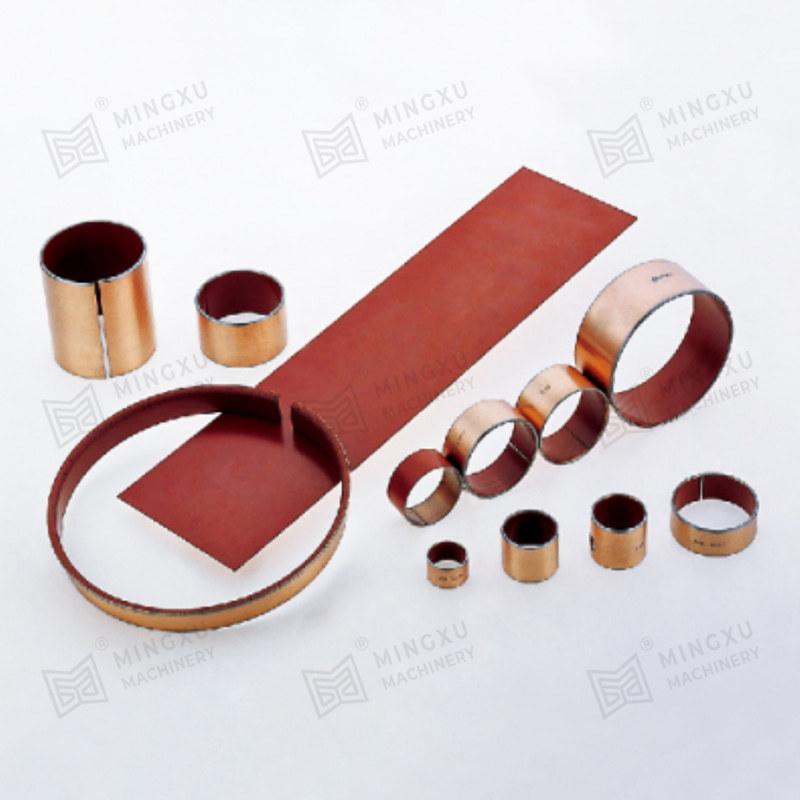
SF-1D hydraulic bearing is a new type of material designed based on SF-1P and combining the working principle of oil cylinder and shock absorber. It i...
Se detaljer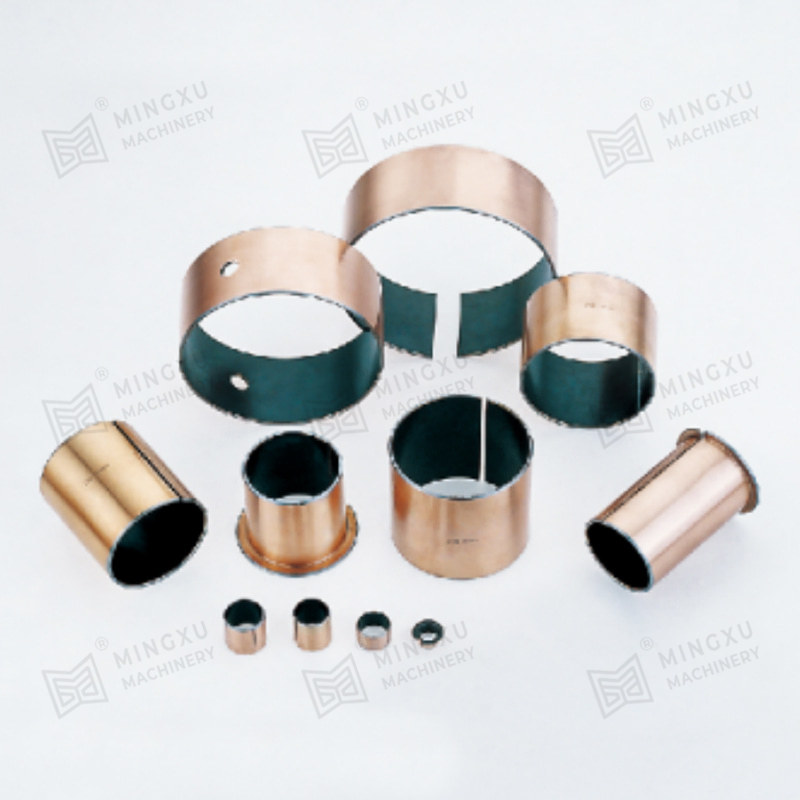
SF-1T is a special formula product designed for high PV value working conditions of gear oil pump. The product has special advantages of fatigue resis...
Se detaljer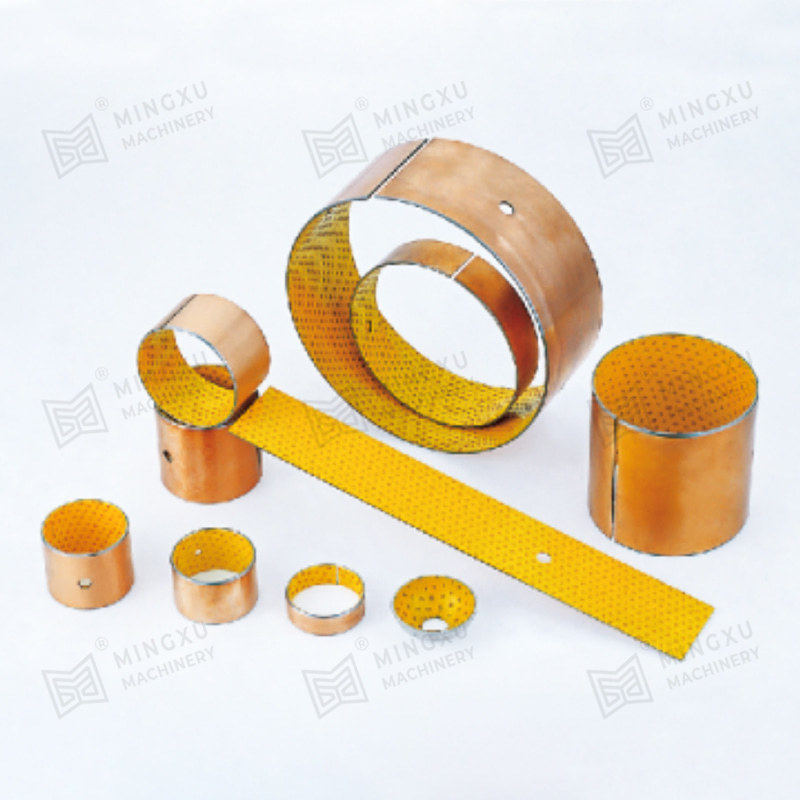
Boundary lubricated lead-free bearings are improved on the basis of SF-2. Its performance is the same as SF-2, but the surface does not contain lead, ...
Se detaljer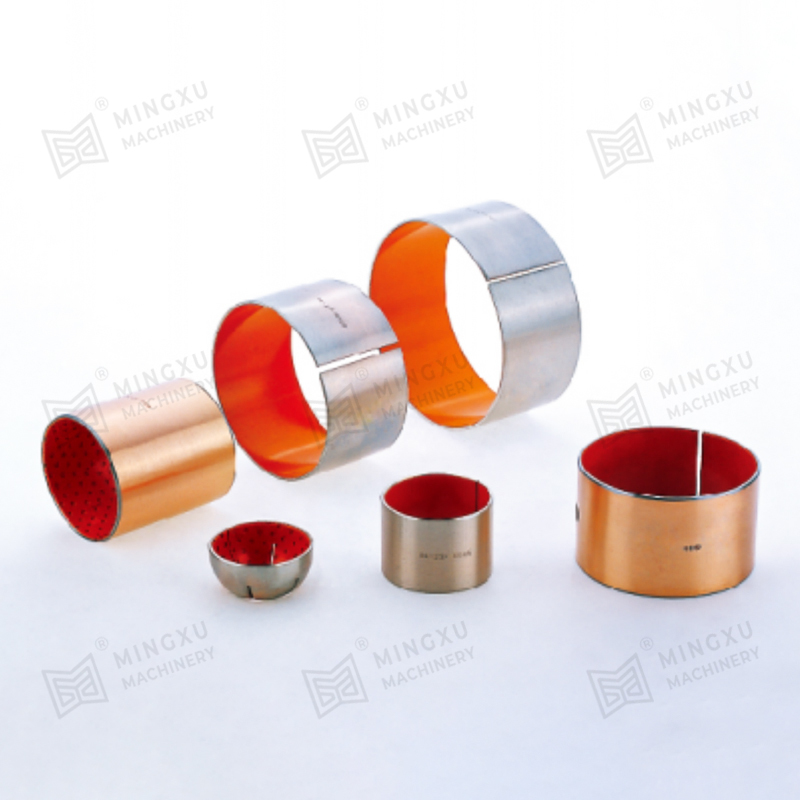
SF-2S oil-free lubricating bearing is an improved product of SF-2, with steel back matrix, sintered spherical tin bronze powder in the middle, and rol...
Se detaljer
Kontakta oss